PADI Public Safety Diver
$500.00
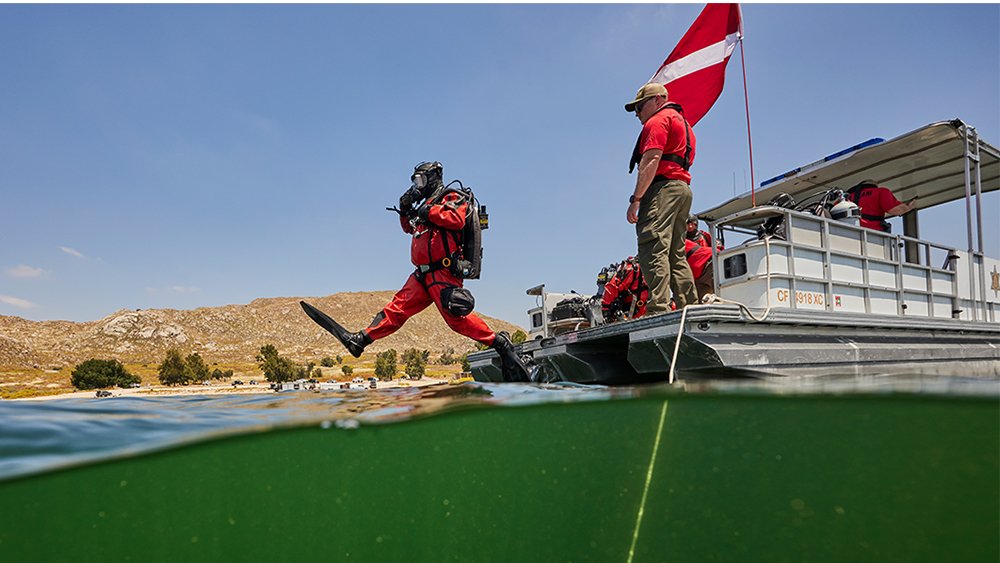
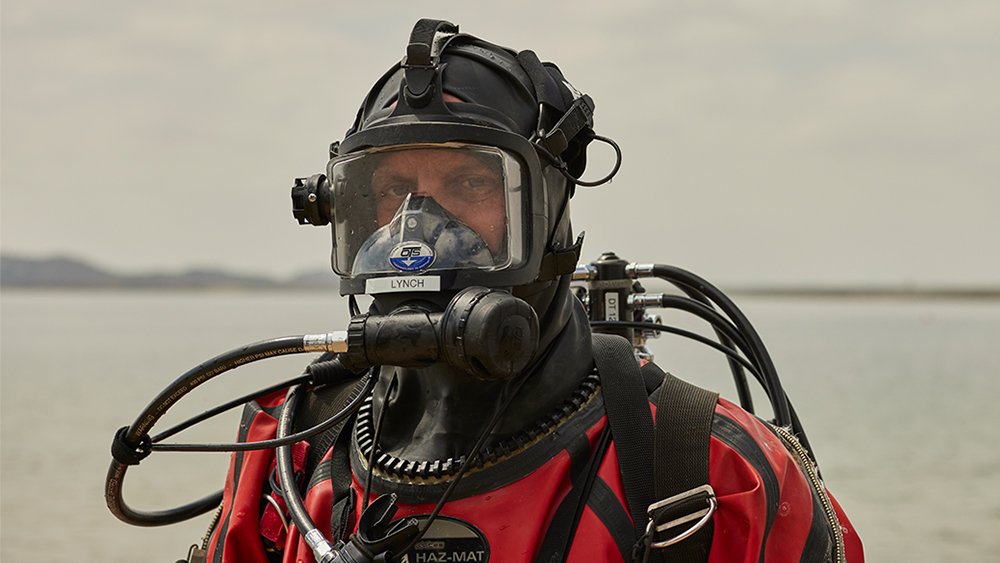
PADI Public Safety Diver – Learn the fundamental skills required to work as a public safety diver or assist local authorities. Through scenario practice in real-world environments, gain experience as the primary diver, safety diver, dive supervisor and in a surface support role.
Availability: 1 in stock
Description
PADI Public Safety Diver – Learn the fundamental skills required to work as a public safety diver or assist local authorities. Through scenario practice in real-world environments, gain experience as the primary diver, safety diver, dive supervisor and in a surface support role.
You do not need to be part of a public safety dive team to take this course.
Take This Course If You Want to
- Become a public safety diver
- Join a team or gain experience
- Serve your community
- Improve your search and recovery skills
-
Size up and manage a scene
-
Rescue and recover victims
-
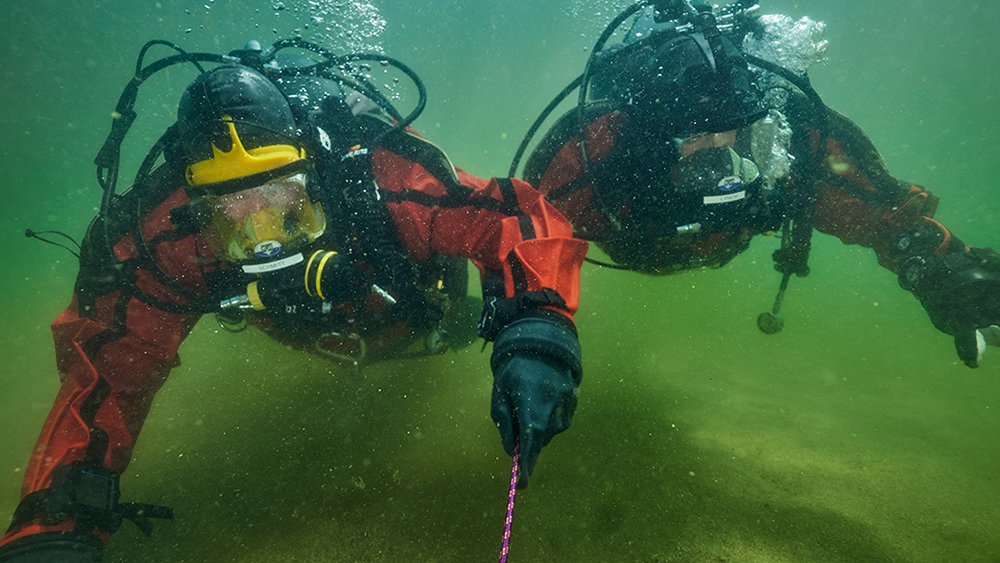
Communicate via rope pulls
-
Conduct an arc search
Related products
public safety diver
continuing-education
About the Course
Working divers, such as public safety divers, use full face masks because they protect the eyes and nose from contaminants in the water, provide comfort in cold water, and allow for communication. If you’re interested public safety diving, scientific diving, or venturing into extremely cold-water, then learning to dive with a full face mask is definitely for you. Because full face masks allow you to breathe from your nose, they are also beneficial for those who have difficulty using standard scuba masks. Diving with a full face mask offers a different experience and that alone may be reason to give it a try.
With Your Instructor
- Prerequisites: PADI Advanced Open Water Diver (or qualifying certification)
- Total time commitment: 2-4 days
- Minimum age: 18
cost & Equipment
This course requires both knowledge development and inwater training for certification. The total public safety diver course cost depends on class size, training location, environment and whether or not you need to rent equipment.
In addition to basic scuba gear, you will need two scuba cylinders, two different cutting devices, visual and audible surface signaling devices and a rescue breathing mask. You may also need a dry suit and full face mask. Investing in your own scuba equipment for the course will help you become comfortable with how it works and the best way to maintain it.


Reviews
There are no reviews yet.